info@kaizendentalhawaii.com


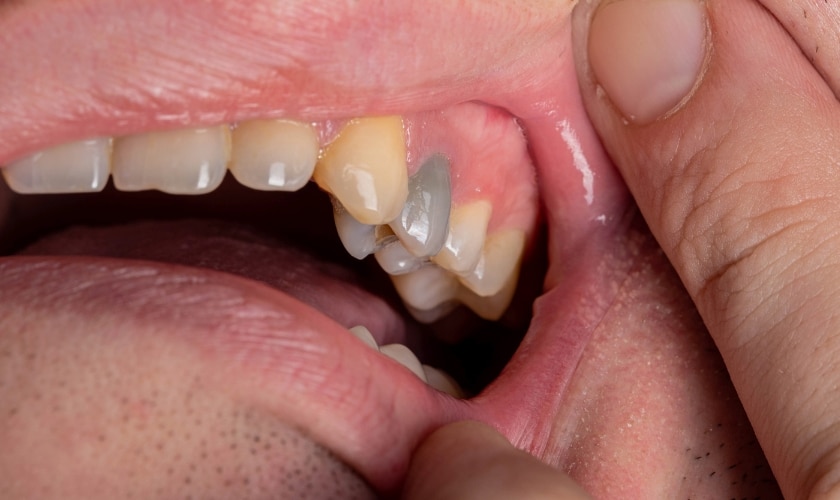
Are you seeking a dental emergency for your black tooth? Maybe you’ve noticed a black discoloration on one of your pearly whites, and now panic is setting in. Is a black tooth a dental emergency? Should you be rushing to an “emergency dentist near me“?
Don’t worry; we’re here to help with your concerns and provide some clarity on the matter. In this blog post, we’ll delve into the world of black teeth—what causes them, when they require immediate attention, and how you can prevent them from occurring in the first place. Let’s explore whether a black tooth should send you running to an emergency dentist or if it’s just another harmless cosmetic concern.
Definition of a Black Tooth
A black tooth can be a cause for concern and may prompt a visit to the dentist. But what exactly is a black tooth? Well, it’s when the enamel of your tooth becomes discolored, appearing dark or black in color. This discoloration can occur for various reasons and can affect both children and adults.
It’s important to note that while a single isolated black tooth may not necessarily be an emergency situation, if you notice multiple teeth turning dark or experiencing sudden pain along with discoloration, then immediate attention from an emergency dentist should be sought out.
Causes of a Black Tooth
A black tooth can be a symptom of various dental issues, each with its own severity and urgency. Here are some common culprits:
- Tooth Decay: The most common reason; decay erodes enamel, exposing the darker dentin underneath. Left untreated, it can progress to painful infections and even tooth loss.
- Trauma: A chipped or cracked tooth can expose dentin or even the pulp (the tooth’s nerve center), leading to discoloration and sensitivity.
- Fillings or Crowns: Older fillings, especially silver amalgam, can darken over time. While not always an emergency, they may indicate underlying decay or the need for replacement.
- Certain Medications: Iron supplements or tetracycline antibiotics can stain teeth, especially in children.
- Smoking or Tobacco Use: Tobacco can stain teeth and contribute to gum disease, darkening the tooth root and surrounding tissues.
- Root Canal Infection: A root canal infection occurs when bacteria invade the pulp inside your tooth. As the infection progresses, it can cause discoloration and lead to a blackened appearance
When to Seek to the Emergency Dentist
While a black tooth itself isn’t always an immediate emergency, certain accompanying symptoms scream “urgent care!” Here’s what to watch for:
- Severe Pain: Throbbing, persistent pain, especially when biting or chewing, indicates potential nerve damage or infection.
- Swelling: Puffy gums around the black tooth or facial swelling are signs of an advancing infection that needs prompt antibiotics.
- Bleeding: Gums bleeding spontaneously or during brushing signifies inflammation or tissue damage.
- Fever: If a black tooth coincides with a fever, it could be a sign of a serious infection spreading beyond the tooth.
- Pus Drainage: Discharge from the gums or the tooth itself is a clear indicator of an abscess requiring immediate attention.
Treatment Options for a Black Tooth
When it comes to treating a black tooth, the approach will depend on the underlying cause. Here are some potential treatment options that your dentist may recommend:
1. Dental Cleaning: In cases where the black discoloration is due to external factors like staining or plaque buildup, a professional dental cleaning can often restore the tooth’s natural color.
2. Tooth Whitening: If the black tooth is caused by intrinsic factors such as internal decay or trauma, your dentist may suggest tooth whitening procedures to lighten and improve its appearance.
3. Fillings or Bonding: For teeth with cavities or chips causing dark spots, fillings or bonding can be used to repair and restore their shape and color.
4. Root Canal Therapy: When a black tooth is caused by a deep-rooted infection or nerve damage, root canal therapy may be necessary to remove diseased tissue and save the tooth from extraction.
5. Dental Crowns: In more severe cases where significant structural damage has occurred, dental crowns might be recommended to cover and protect the affected tooth while restoring its aesthetics.
Prevention Tips for Avoiding a Black Tooth
- Daily care is crucial: Brush your teeth twice a day and floss regularly to remove plaque, preventing discoloration and decay.
- Opt for fluoride toothpaste: Strengthen enamel with ADA-approved fluoride toothpaste, making your teeth more resistant to stains and cavities.
- Watch your sugar intake: Limit sugary snacks and drinks to avoid contributing to tooth decay, a common precursor to discoloration.
- Scheduled dental check-ups matter: Visit your dentist every six months for routine check-ups, allowing early detection of potential issues before they escalate.
- Say no to tobacco: Avoid smoking or chewing tobacco to prevent rapid tooth staining and the development of an unsightly black appearance.
Remember, these simple steps can go a long way toward maintaining a healthy, vibrant smile and avoiding dental emergencies like a black tooth.
In conclusion, understanding the intricacies of black teeth and dental emergencies is crucial for making informed decisions about your oral health. Your dentist in Honolulu is dedicated to providing not only top-notch dental care but also valuable information to empower our community. If you suspect a dental emergency or have concerns about a black tooth, don’t hesitate to contact us, your trusted emergency dentist in Honolulu. Your oral health is our priority, and we’re here to guide you every step of the way.
FAQs: Black Tooth Questions Answered
Will a black tooth always need a filling or crown?
Not necessarily. Early decay can be treated with fluoride or remineralizing agents. Depending on the cause and severity, the dentist will recommend the appropriate treatment.
Can I whiten a black tooth?
Unfortunately, whitening doesn’t work on severely discolored teeth. Treatment usually involves fillings, crowns, or even root canal therapy in advanced cases.
Will my black tooth fall out?
With prompt diagnosis and treatment, it’s highly unlikely. However, neglecting a black tooth can lead to serious complications, including tooth loss.
How can I prevent black teeth?
Excellent oral hygiene, regular dental checkups, and limiting sugary and acidic foods are key. Consult your dentist about preventative measures specific to your oral health.
Related Articles
[theme_related]