info@kaizendentalhawaii.com


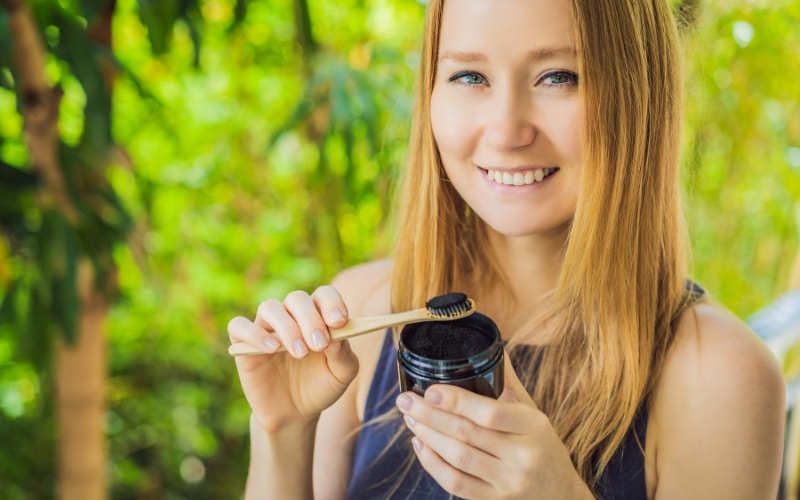
Have you noticed the recent surge in natural teeth whitening trends? One popular method is using charcoal for teeth whitening. People are turning to this dark powder, hoping for a bright smile.
But is it safe to whiten teeth with charcoal?
This blog explores what activated charcoal is, how it works, and its safety. It will also look at its effectiveness compared to other methods and what experts say. By the end, you will know whether charcoal teeth whitening is a good choice for you.
What is Charcoal Teeth Whitening?
Activated charcoal is a form of carbon processed to have small, low-volume pores that increase its surface area. This makes it highly adsorbent, which means it can bind to substances.
Unlike the charcoal used in your barbecue grill, activated charcoal is made from materials like coconut shells, wood, or peat. It undergoes a process of heating in the presence of gas, which creates internal spaces or “pores.” These pores can trap chemicals and toxins.
Charcoal teeth whitening involves using activated charcoal in the form of powders, pastes, or capsules. The idea is that its adsorbent properties can help remove surface stains from teeth.
This trend has gained popularity due to its natural origin and the appealing idea of a chemical-free whitening method. Celebrities and influencers have further fueled its rise by showcasing their bright smiles after using charcoal products.
The concept behind using charcoal for teeth whitening is that it can bind to stains and toxins on the teeth, pulling them away from the surface. Users typically apply the charcoal directly to their teeth and brush for a few minutes. Then, they rinse thoroughly to remove the black residue. Proponents claim that this method can lead to a whiter smile after just a few uses.
How Does Charcoal Whiten Teeth?
Mechanism:
Activated charcoal whitens teeth by binding to surface stains and plaque. Its porous structure allows it to trap particles that cause discoloration. When you brush with charcoal, it supposedly lifts these particles off your teeth, leaving them looking cleaner and whiter.
Application Methods:
1. Charcoal Powders:
– Usage: Dip a wet toothbrush into the powder and brush your teeth for 2-3 minutes.
– Benefits: Direct contact with teeth can enhance the adsorptive effect.
– Considerations: Ensure the powder is fine to minimize abrasiveness.
2. Charcoal Pastes:
– Usage: Apply like regular toothpaste and brush for 2-3 minutes.
– Benefits: Often mixed with other ingredients for a balanced effect.
– Considerations: Check for added chemicals or abrasives.
3. DIY Mixtures:
– Usage: Combine charcoal powder with water or coconut oil to make a paste.
– Benefits: Customizable and often more economical.
– Considerations: Risk of inconsistency in texture and abrasiveness.
Each method has its own set of advantages and potential drawbacks. For instance, powders provide direct contact but can be messy. Pastes are convenient but may contain additional ingredients. DIY mixtures offer customization but require careful preparation to avoid damage to the enamel.
When using any charcoal product, it is crucial to brush gently to prevent enamel wear. The American Dental Association (ADA) advises caution with any abrasive whitening method. Always follow the product instructions and consult with a dentist if unsure about the safety of a specific product.
Effectiveness of Charcoal Teeth Whitening
Short-term vs Long-term Results:
Charcoal teeth whitening often shows immediate effects, making teeth appear cleaner and brighter after just a few uses. This quick result is one of the reasons for its popularity. However, the long-term effectiveness of charcoal for teeth whitening is less clear.
In the short term, users typically notice the removal of surface stains caused by coffee, tea, and certain foods. This can lead to a visibly whiter smile. However, deeper stains that penetrate the enamel are less likely to be affected by charcoal. Traditional whitening methods, such as professional treatments or peroxide-based products, may be more effective for these types of stains.
Over the long term, continuous use of charcoal could lead to diminishing returns. The abrasive action might remove surface stains initially, but it does not address underlying discoloration. Moreover, if used too frequently, the abrasive nature of charcoal could damage enamel, potentially leading to increased sensitivity and vulnerability to decay.
While charcoal can provide immediate whitening effects, its long-term benefits are uncertain. It is best viewed as a supplement to regular oral hygiene rather than a primary whitening method. For sustained whitening, combining charcoal with other proven methods and regular dental check-ups is advisable.
Charcoal teeth whitening has gained popularity for its natural appeal and quick results. It works by adsorbing surface stains, providing a visibly cleaner and brighter smile. While generally safe for occasional use, potential risks like enamel abrasion and gum irritation exist. Use high-quality products and brush gently to maximize benefits and minimize risks. Consulting with a dentist ensures safe and effective use.
Consider integrating charcoal with other methods and regular dental care for long-term whitening. Always prioritize your dental health and seek professional advice before trying new whitening techniques.
Related Articles
[theme_related]