info@kaizendentalhawaii.com


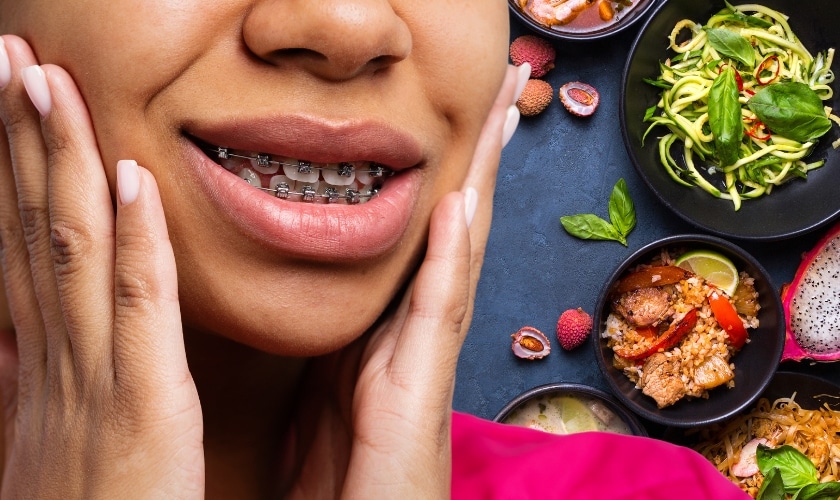
Orthodontic appliances, such as braces and aligners, are a common solution for achieving a beautiful, straight smile. However, the journey to perfect teeth requires careful consideration and adherence to specific guidelines to avoid damaging the appliances and ensuring effective treatment. In this comprehensive guide, we will explore what should be avoided when wearing orthodontic appliances, focusing on dietary restrictions, daily precautions, and overall care tips.
Which of the Following is a Type of Food to Avoid When Wearing an Orthodontic Appliance?
Eating with orthodontic appliances requires a conscious effort to avoid certain foods that can damage braces or aligners. Here are the main categories of foods to steer clear of:
Hard Foods
Hard foods pose a significant risk as they can break brackets and wires, or crack aligners. Avoid items like:
- Nuts
- Hard candies
- Ice cubes
- Popcorn kernels
- Raw carrots and apples (unless cut into small pieces)
Sticky Foods
Sticky foods can get lodged in your braces, making them difficult to clean and increasing the risk of cavities. Avoid:
- Caramel
- Chewing gum
- Gummy candies
- Taffy
Chewy Foods
Chewy foods can pull on braces and potentially dislodge brackets. Steer clear of:
- Bagels
- Licorice
- Hard rolls
Crunchy Foods
Crunchy foods can easily get stuck in braces or cause them to break. Examples include:
- Chips
- Pretzels
- Crisp cookies
Sugary Foods and Drinks
Sugary foods and drinks contribute to plaque build-up, which can lead to cavities and discoloration around brackets. Limit intake of:
- Soda
- Candy
- Sweetened juices
- Desserts
What Precautions Should You Take During Orthodontic Treatment?
Maintaining orthodontic appliances involves more than just avoiding specific foods. Here are key precautions to take during your treatment:
Oral Hygiene
Keeping your teeth and appliances clean is paramount. Brush after every meal using fluoride toothpaste and an orthodontic toothbrush. Floss daily with a floss threader or orthodontic floss. Consider using an interdental brush to clean around brackets and wires.
Protective Gear
If you play sports, wear a mouthguard to protect your braces and teeth from injury. Custom-fitted mouthguards are ideal as they offer better protection and comfort compared to over-the-counter options.
Regular Check-Ups
Attend all scheduled orthodontic appointments to ensure your treatment is progressing as planned. Your orthodontist can make necessary adjustments and spot potential issues early.
Handling Discomfort
It’s common to experience some discomfort, especially after adjustments. Use orthodontic wax to cover sharp edges that may irritate your gums or cheeks. Over-the-counter pain relievers can help manage pain.
What Should I Avoid While Wearing Braces?
In addition to food restrictions, several other habits should be avoided to protect your orthodontic appliances:
Nail Biting
Biting your nails can damage brackets and wires. It’s also an unhygienic habit that can introduce bacteria into your mouth.
Chewing on Objects
Avoid chewing on pens, pencils, or other non-food items, as they can cause similar damage to hard foods.
Using Teeth as Tools
Do not use your teeth to open packages or bottles. This can cause significant damage to your braces and teeth.
Skipping Appointments
Missing orthodontic appointments can delay your treatment and lead to complications. Always reschedule missed appointments promptly.
Conclusion
Orthodontic treatment is a collaborative effort between you and your dentist. By understanding and avoiding certain foods, habits, and behaviors, you can ensure your treatment progresses smoothly and efficiently. Eating with orthodontic appliances may require adjustments, but with careful attention to diet and daily habits, you can protect your braces and enjoy a healthy, beautiful smile at the end of your journey.
FAQs
1. Can I eat pizza with braces?
Yes, you can eat pizza with braces, but opt for soft crust and avoid toppings that are hard or chewy.
2. How do I clean my braces after eating?
Brush your teeth after every meal using a soft-bristled toothbrush and fluoride toothpaste. Use floss threaders or orthodontic floss to clean between teeth and braces.
3. Is it okay to chew gum with braces?
It’s best to avoid chewing gum, as it can get stuck in your braces and be difficult to remove.
4. What should I do if a bracket or wire breaks?
If a bracket or wire breaks, contact your orthodontist immediately to schedule a repair. Use orthodontic wax to cover any sharp edges to prevent irritation.
5. Can I still play sports with braces?
Yes, you can play sports with braces, but always wear a mouthguard to protect your teeth and braces from injury.
Related Blog:
The Different Types of Orthodontic Appliances and Their Uses
Related Articles
[theme_related]